If you are thinking about buying in Pleasure Point, you are probably not just shopping for a house. You are looking for a certain kind of daily life, one shaped by surf access, ocean air, walkable errands, and a neighborhood with real local character. The right home here can be a great fit, but it helps to understand the trade-offs before you make an offer. Let’s dive in.
Why Pleasure Point Draws Buyers
Pleasure Point is an unincorporated coastal neighborhood in Santa Cruz County, set between Moran Lagoon and 41st Avenue along Monterey Bay. County tourism materials describe it as a surf community with well-known breaks and a strong surf heritage connected to Jack O’Neill. That identity is not just branding. It shows up in the way the neighborhood looks, feels, and functions day to day.
Pleasure Point County Park adds to that appeal with coastal access, surfing, outdoor showers, restrooms, public art, a vista point, and access to East Cliff County Parkway. The area around 41st Avenue and Portola Drive also gives you a neighborhood-scale mix of shops and daily conveniences. If you want a place where you can combine coastal living with a more walkable rhythm, that is a big part of the draw.
County planning materials also frame this corridor as a place where people shop, dine, live, relax, and interact, with attention to local businesses, pedestrians, and bicyclists. In practical terms, that means walkability here is part of the neighborhood’s identity. It is not simply an extra feature on a listing sheet.
What the Homes Are Like
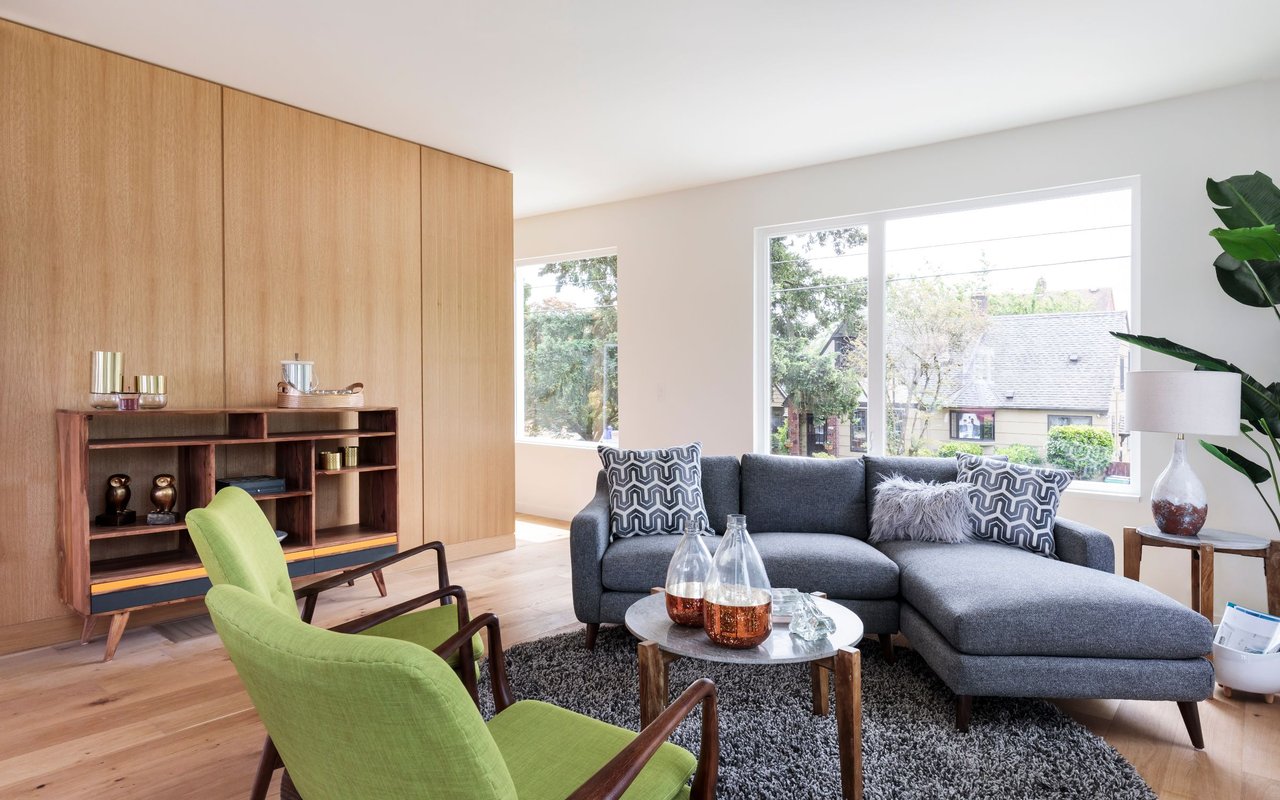
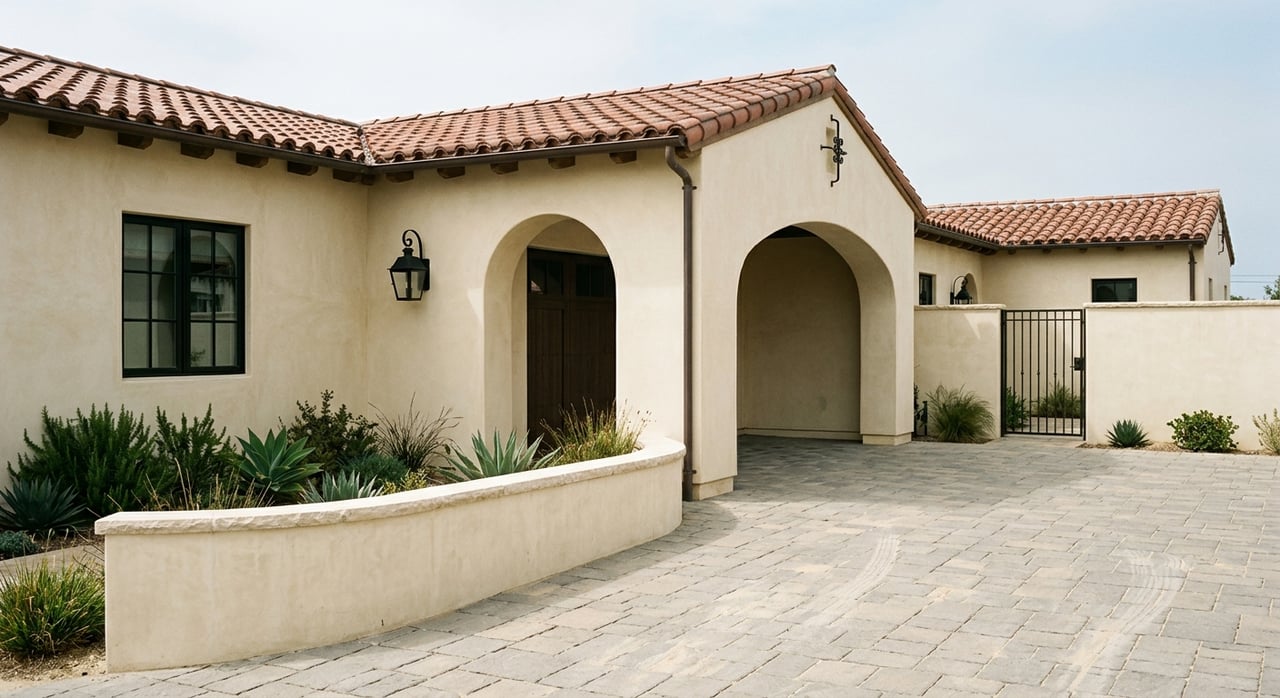
Pleasure Point is not a uniform neighborhood, and that matters when you start touring homes. The community plan describes many of the area’s homes as small one-story cottages with simple forms, narrow proportions, single-pitched roofs, and porches or stoops. At the same time, the neighborhood also includes California bungalows, nautical designs, Spanish Colonial influences, classic beach houses, and newer modern homes.
That mix is part of what gives Pleasure Point its character. You may see an older cottage on one block, a remodeled beach house nearby, and a newer custom home around the corner. For buyers, that means you need to look beyond square footage alone and pay attention to how a property fits into the surrounding street and lot pattern.
County design guidance emphasizes the area’s eclectic character and encourages varied architectural styles and natural materials. It also notes concern when new homes put too much of the front facade and yard into driveways and garages, which can change the feel of the street. If neighborhood character matters to you, this is worth noticing early in your search.
Lifestyle Value Beyond the House
A surfside home in Pleasure Point offers value that goes beyond the structure itself. Beach access, surf culture, local businesses, and a strong neighborhood identity all contribute to why buyers stay interested in this area, even when homes are older or lots are compact. The appeal is tied to how the neighborhood supports a coastal lifestyle.
That said, lifestyle value is personal. Some buyers want to be close enough to hear the ocean and walk to a break. Others would rather be a little farther inland if it means an easier parking setup, a different lot configuration, or less activity near the home.
The key is matching the property to the way you actually plan to live. In Pleasure Point, a great location on paper does not always mean the same thing for every buyer.
Parking Matters More Than You Think
Parking is one of the most important practical issues in Pleasure Point. The community plan says the area’s smaller streets often have narrow rights-of-way, which can limit travel lanes, parking lanes, sidewalks, and pedestrian paths. It also notes that beach-going visitors create heavier circulation and parking pressure during summer months.
This is why a home’s off-street parking setup deserves a close look. Garage count is one part of the picture, but it is not the whole story. You also want to understand driveway width, turning space, tandem parking practicality, and how the block works during peak beach season.
Santa Cruz County public works guidance says vehicles parked in the public right-of-way cannot block driveways, hydrants, crosswalks, ramps, bike lanes, or intersections. Some road segments also have signed or striped restrictions, and the Live Oak parking program requires permits in certain areas where posted. In a neighborhood like Pleasure Point, usable parking can affect your daily experience as much as the floor plan does.
There is also a local zoning detail that can help on smaller coastal lots. In the Pleasure Point Community Design Combining District, three-car tandem parking is allowed by right. That does not solve every parking challenge, but it shows how closely the area’s parking standards are tailored to its narrow parcel patterns.
Coastal Rules Can Shape Your Plans
If you are buying near the beach or bluff, future plans for the property deserve careful review. In Santa Cruz County, Coastal Development Permit rules can apply to projects within 300 feet of a beach, high-tide line, or coastal bluff top, along with other appeal-jurisdiction locations. Some projects in that jurisdiction can also be appealed to the California Coastal Commission.
For buyers, this matters most when you are thinking ahead. A home may work well for you today, but if you hope to remodel, expand, or make major exterior changes later, the permitting path could be more involved than you expect. It is better to understand that before you buy than after.
The county has also clarified an important nuance. Bluff-top and beach properties are not automatically undevelopable. Instead, coastal rules are applied site by site, based on geologic studies, safety, and environmental protection, and minor repairs are treated differently from larger seaward additions.
Understand Coastal Risk and Long-Term Ownership
Pleasure Point’s coastal setting is a major reason people want to live here, but it also comes with long-term ownership questions. County planning materials describe ongoing cliffside erosion and cliff retreat in the area, including past storm damage and stabilization work along East Cliff Drive to protect infrastructure and public access. Those are real factors to weigh when comparing properties.
Not every home will face the same level of exposure. A bluff-top parcel, a beach-close lot, and a property farther inland can each present a very different risk profile. That is why parcel-specific due diligence is so important in this part of the market.
You should also think about how future shoreline conditions may affect flooding or maintenance over time. For a buyer who wants a second home, legacy property, or long-term primary residence, that bigger picture matters just as much as present-day views and finishes.
Rental Flexibility Should Be Checked Early
If part of your buying plan includes rental income, do not assume every property offers the same flexibility. Santa Cruz County requires permits for short-term rentals under 30 days. In the Live Oak designated area, there are also permit caps and block-density rules.
The county also prohibits short-term rental permits on properties containing an ADU or JADU. For some buyers, that can be a major factor in how they evaluate a property’s future use. If rental potential is part of your goals, it is smart to confirm current eligibility early in the process.
This is especially important for second-home buyers who may want personal use plus occasional income. In Pleasure Point, location alone does not determine whether a property fits that strategy.
Questions to Ask Before You Buy
A surfside home in Pleasure Point can be a wonderful fit, but the best purchases usually come from asking careful questions up front. The neighborhood rewards buyers who look beyond the highlight reel and study how a property will function over time.
Here are a few smart questions to ask as you narrow your options:
- Is the home bluff-top, beach-close, or farther inland?
- Does the parcel fall within the coastal appeal jurisdiction?
- How much off-street parking is truly usable in daily life?
- Does the home’s size, style, and garage placement fit the surrounding street character?
- Could future remodels, additions, or an ADU trigger added review or setbacks?
- If rental income matters, is the property eligible under current short-term rental rules?
- How exposed is the property to bluff retreat, flooding, or future shoreline work?
These questions can help you compare homes more clearly and avoid surprises later. They also help you focus on long-term fit, which is especially important in a neighborhood with this much character and complexity.
Buying With a Local Lens
In Pleasure Point, buying well often comes down to understanding the difference between a home that looks appealing and one that truly fits your goals. A charming cottage near the surf may offer incredible lifestyle value, but parking, permits, or future maintenance could shape the ownership experience. A larger or newer home may offer more space, but how it sits on the lot and within the street can matter just as much.
This is where local knowledge makes a difference. When you understand the area’s housing patterns, coastal rules, and day-to-day livability, you can make a more confident decision. That is especially true in a neighborhood where each block can feel a little different from the next.
If you are considering a home in Pleasure Point and want thoughtful, construction-informed guidance on neighborhood fit, property condition, and long-term value, Margaret Julien can help you navigate the search with clarity and care.
FAQs
What makes Pleasure Point appealing for homebuyers?
- Pleasure Point appeals to buyers who want coastal access, surf culture, walkable errands, local businesses, and a neighborhood with a distinct street-level identity.
What types of homes are common in Pleasure Point?
- The neighborhood includes many small one-story cottages, along with bungalows, beach houses, Spanish Colonial influences, nautical designs, modern homes, and other eclectic styles.
Why is parking such a big issue when buying in Pleasure Point?
- Narrow local streets, summer visitor traffic, and parking restrictions can affect daily convenience, so buyers should evaluate usable off-street parking carefully.
Do coastal permit rules affect homes in Pleasure Point?
- Yes. Santa Cruz County Coastal Development Permit rules can apply to projects near beaches, bluff tops, and other coastal-zone areas, which can affect future remodel or expansion plans.
Can you use a Pleasure Point home as a short-term rental?
- Maybe, but Santa Cruz County requires permits for short-term rentals under 30 days, and some areas have caps, density rules, and limits tied to ADUs or JADUs.
What should buyers watch for with coastal risk in Pleasure Point?
- Buyers should review parcel-specific exposure to cliff retreat, erosion, flooding, and possible future shoreline or infrastructure work before purchasing.